Shooting in Hard Light: Making Midday Sun Work for You
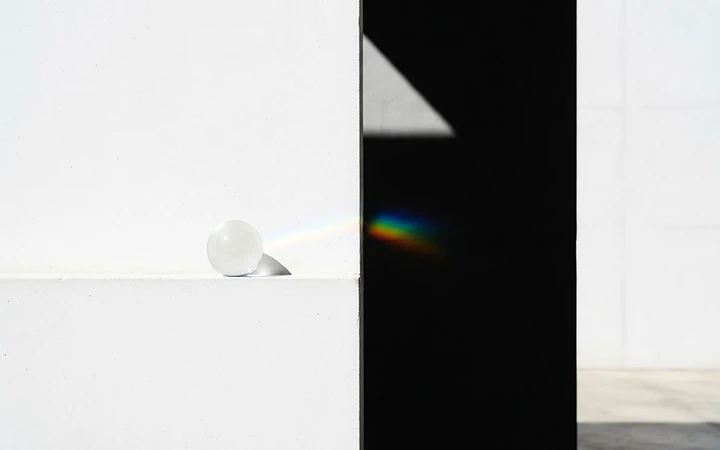
Midday sun has a bad reputation. Used deliberately, its hard edges and deep shadows can become the strongest part of a photograph.
6 min read
Why hard light gets avoided
The usual advice is to put the camera away between late morning and mid-afternoon. The sun is high, shadows fall straight down, and faces get dark eye sockets. All true — but that same light also gives you graphic shapes, saturated colour and texture that softer light simply cannot produce.
Expose for the highlights
In hard light the dynamic range of the scene often exceeds what the sensor can hold. Decide what must keep detail. In most cases that is the bright areas: clipped highlights are gone for good, while shadows can often be lifted later or left black on purpose.
- Use highlight warnings ("blinkies") in playback.
- Dial in negative exposure compensation until the important highlights stop flashing.
- Accept that some shadows will go very dark.
Treat shadows as shapes
Instead of fighting shadows, compose with them. A diagonal shadow across a white wall, the grid cast by a railing, or the silhouette of a passer-by can become the subject. Look for strong contrast between a lit plane and a shaded one, and place the boundary with intent.
Portraits at noon
If you must photograph people, you have three practical options:
- Find open shade. Move the subject just inside a doorway or under a tree canopy, facing the bright open area.
- Backlight them. Turn the subject so the sun is behind, then expose for the face. Hair and shoulders gain a rim of light.
- Add fill. A reflector or a small flash lifts the eye sockets without flattening the scene.
Colour and polarisers
Hard light saturates colour, and a circular polariser strengthens this by cutting glare from foliage, water and painted surfaces. Rotate it while watching the effect, and be cautious with wide-angle lenses, where it can darken one part of the sky more than another.
The takeaway
Midday light is not bad light; it is specific light. Once you stop expecting it to behave like golden hour, it becomes one of the most expressive tools you have.
Related articles

Reading a Histogram Without Overthinking It
The histogram is not a grade on your photo. It is a quick map of where your tones sit — and that is all you need it to be.


Planar vs. Packed: How YUV Pixels Are Laid Out in Memory
Two files can hold exactly the same picture and still be unreadable to each other. The difference is how the Y, U and V samples are ordered.


What a Raw Video Viewer Actually Does
Raw video files have no header and no instructions. A viewer's real job is to guess well — or to ask you the right questions.